

WHAT IS AN OVERVOLTAGE SURGE ARRESTER (PARAFUDR)?
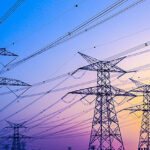
Communication systems and electrical transmission facilities are always open targets for lightning strikes. Because these systems have a high conductivity rate, being affected by lightning poses a serious risk. The protection of these systems is partially provided by overvoltage surge arresters. Thanks to this hardware, lightning current is grounded in a short time, partially preventing overcurrent from directing into the system and causing malfunctions.
Where are Overvoltage Surge Arresters Used?
- Television/Radio transmitters
- Communication systems
- Power plants and production lines
- Railway facilities
In addition to these, it is necessary to use overvoltage surge arresters in all areas that could be a direct target of lightning.
What are the Features of Overvoltage Surge Arresters?
Unlike standard surge arresters, overvoltage arresters have their own lightning rod (paratoner) characteristics. Since the hardware is connected to the external system, it has the feature of directly transmitting overcurrent to the ground during a lightning event. This is why overvoltage surge arresters are found on nearly all electric poles. Compared to low-voltage surge arresters, their upper voltage limits are higher, and by directly grounding the lightning, they can partially ensure the continued operation of the system.
Are Overvoltage Arresters Sufficient on Their Own?
Lightning-related damage is frequently encountered on electric transmission poles and television/radio transmitters. In fact, regional outages occur every year during specific periods due to lightning hitting electric poles and power plants. This situation shows that the overvoltage surge arresters found in all electrical facilities are not sufficient on their own. While surge arresters have the capability to transmit overcurrent to the ground, they lack the capability to limit the overvoltage that occurs in the system simultaneously.
What Should Be Done?
To take precautions against lightning-sourced overcurrents, surge arresters must be supported by overvoltage damping and voltage balancing elements. Additionally, equipment that provides voltage regulation can prevent current “peaks,” thereby protecting the surge arresters in electrical and communication facilities from failure. All of this can be achieved effectively with Trimbox.
Why Should Trimbox Be Used in Electrical and Communication Facilities?
- As mentioned, no matter how high the upper voltage limit of a surge arrester is, it must be supported by a balancer. Trimbox protects systems by damping the overvoltage to safe levels.
- Trimbox also functions as a surge protector itself. It prevents the overcurrent formed during a lightning event from entering the system while ensuring the system continues to operate. Consequently, systems are fully protected from the impact of lightning.
- Exceeding the upper voltage level of Trimbox is an extraordinary situation. In such an event, Trimbox pulls the voltage into its own body and disconnects the system, preventing high current from causing damage.
Simple precautions sometimes save lives. The best investment we can make for our family, our business, and our environment is protective measures. With Trimbox and GNDSeries, you can be protected from electricity-related damages and resulting electrical contact fires.
Whatsapp : +90 555 014 24 23