


An inverter, briefly known as a converter, can be described as a system that converts DC (Direct Current) to AC (Alternating Current). They are manufactured and used in two main ways: inverters used as “drives” to regulate the voltage and frequency of AC energy—specifically to provide soft starts and control the inrush currents (demarage) of motors—and inverters designed to convert stored DC energy into AC for usage.
Inverters used for adjusting the voltage and frequency of AC energy are generally utilized as drives in equipment such as machinery and elevators with high inrush currents, ensuring they are integrated into the system in a controlled manner while eliminating fluctuations in voltage and frequency. This is because systems attempting to draw several times their normal current during startup can cause voltage drops, electrical fluctuations, and adjustment errors during starts and stops.
On the other hand, inverters used to convert DC energy into AC—found even in modern buses—take values such as 12V, 24V, or 48V DC and convert them to 220V AC, allowing us to use standard sockets without additional apparatus. These products also produce a 220V AC sine wave form to make systems that store energy in batteries, such as solar power, suitable for household use.
Inverters are products that prevent peaks, harmonics, and other fluctuating or non-nominal voltage and frequency problems from reaching the systems, especially in the AC environments where they are used. However, in doing so, they often sustain damage themselves, frequently requiring repairs to their electronic control boards.
One might think that environments where electricity arrives in its cleanest sine wave form would provide the longest trouble-free usage for an inverter. However, the situation may not be as it seems. If there are machines and equipment with high inrush currents in your facility, they will cause instantaneous overvoltages, which we call “peaks,” to occur within the system, affecting themselves and other connected equipment.
Aside from general maintenance, the most common reason for inverter failure is damage to the control boards. It is possible to ensure many years of trouble-free operation by eliminating the peaks and harmonics generated within the system.
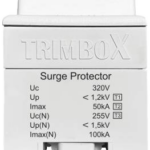
As Trimbox, we provide protection for both forms of your inverters with our surge suppressors, ensuring they operate smoothly for years. Furthermore, by using Trimbox in your installation, you also protect the electronic boards of the entire system to which the inverter is connected against overvoltages.
Simple precautions sometimes save lives. The best investment we can make for our family, our business, and our environment is protective measures. With Trimbox and GNDSeries, you can be protected from electricity-related damages and electrical contact fires caused by them.
Whatsapp : +90 555 014 24 23