

OVERVOLTAGE AND THE TSUNAMI
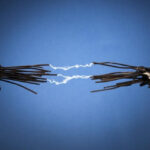
Overvoltage is the instantaneous rise in potential difference between the two ends of a conductor. It occurs in durations as short as microseconds or milliseconds, can be triggered by many internal and external factors, and is far beyond the endurance capacity of electrical device circuits. In a sense, it is an electrical tsunami.

WHY IS OVERVOLTAGE LIKE A TSUNAMI?
The reason we compare overvoltage to a tsunami is that electricity and water exhibit similar characteristics. Both prefer to flow through the easiest path found, both are absolutely necessary, and both lead to disaster when they become excessive.
So, what are the measures that will prevent us from suffering damage or even catastrophes like fires when electricity is excessive?
We can group the precautions under two main headings:
- Precautions related to Current
- Precautions related to Voltage
In most terminology, and especially in colloquial language, current and voltage are referred to as if they were the same. These two entities, which are the fundamental elements of electricity and yet are extremely different from one another, are often confused. So much so that even in engineering studies and presentations, protection is sometimes shown as if it were being performed for both simultaneously.
However, current represents the water inside a pipe, while voltage represents the potential difference required for the water to flow from one side to the other. Technically, current defines the electron density within the cable, whereas voltage defines the polarization of electrons between the two ends of the cable.
When we look at the regulation for the preparation of electrical internal facility projects—the principles and procedures that serve as the basis for an engineer’s electrical installation project—we see surge arresters (parafudr), impulse protectors, and overvoltage suppressors among the protection schemes.
WHAT IS A SURGE ARRESTER (PARAFUDR)?
A surge arrester ensures the transmission of overcurrent in the system by grounding the excessive currents formed especially during lightning events. It does not control or limit the voltage at any level. It is just like lightning rods (paratoners) ensuring a safe meeting with the ground by preventing the lightning strike from making direct contact with the structure.
Overvoltage suppression, on the other hand, is the prevention of the instantaneous potential difference (which can occur due to internal or external reasons) from rising above acceptable levels. There are new generation surge arresters that perform this task.
One of the most frequently asked questions is: “In a place with a new generation surge arrester, should we also use products like Class B, C, or D LV surge arresters or surge-protected power strips?” The answer is: In a place where there is a new generation surge arrester, there is no need for additional Class B, C, or D LV surge arresters or surge-protected power strips.
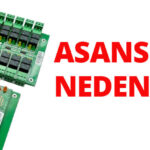
Simple precautions sometimes save lives. The best investment we can make for our family, our business, and our environment is protective measures. With Trimbox and GNDSeries, you can be protected from electricity-related damages and resulting electrical contact fires.
Whatsapp : +90 555 014 24 23